
Introduction
Chemical peeling is a popular skin treatment. It uses safe chemical solutions to remove the top layers of skin. As a result, new and smoother skin can appear. Many people choose chemical peeling for skin problems like scars, wrinkles, or uneven tone. This guide explains what chemical peeling is, its benefits, and how to stay safe.
Types of Chemical Peels
There are different types of chemical peels. Each type works at a different depth. Therefore, the right peel depends on your skin and goals.
Benefits of Chemical Peeling
Chemical peeling for skin offers many benefits. For example, it can:
Because of these benefits, many people choose safe chemical peeling procedures for a brighter complexion.
Risks and Side Effects
Although chemical peeling is safe when done by experts, there are some risks. For instance, you may notice:
Usually, side effects are mild and go away in a few days. However, deep peels may have stronger effects and longer recovery.
Who Is a Good Candidate?
Not everyone is suited for chemical peeling. Still, many people can benefit. You may be a good candidate if you:
Even so, people with darker skin or certain health issues should talk to a dermatologist first.
What to Expect During the Procedure
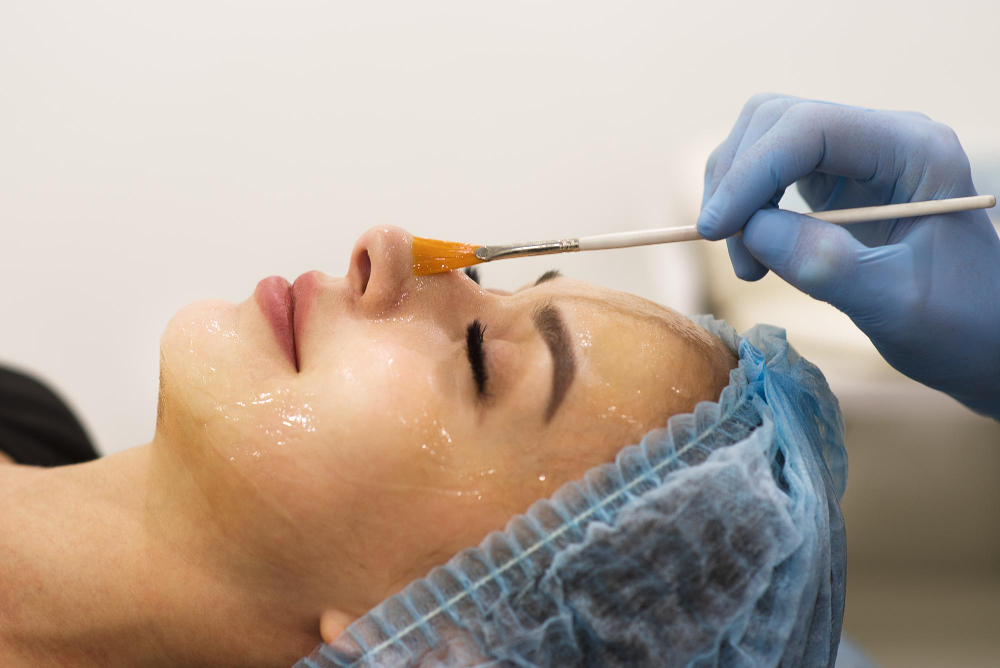
Before the procedure, your skin will be cleaned. Next, the doctor applies the chemical solution. You may feel a mild stinging or burning. The process usually takes 15 to 30 minutes. Afterward, the skin may look red or feel tight. Most people can go home the same day.
Aftercare and Recovery
Proper care after a chemical peel is important. For best results, follow these tips:
Recovery time depends on the type of peel. Superficial peels heal in a few days. However, deeper peels may take up to two weeks.
Prevention Tips and Lifestyle Guidance
To keep your skin healthy after chemical peeling, consider these steps:
Because healthy habits support your skin, they help you enjoy the benefits of chemical peeling longer.
When to Consult a Dermatologist
If you are thinking about chemical peeling, it is wise to talk to a dermatologist. They can check your skin and suggest the best type of peel. Also, if you notice severe pain, swelling, or signs of infection after a peel, seek medical help right away.
In summary, chemical peeling can improve your skin’s look and feel. However, safe chemical peeling procedures and expert advice are key. Consult a dermatologist Dr. Rajesh Kumar for personalized advice on chemical peeling.