
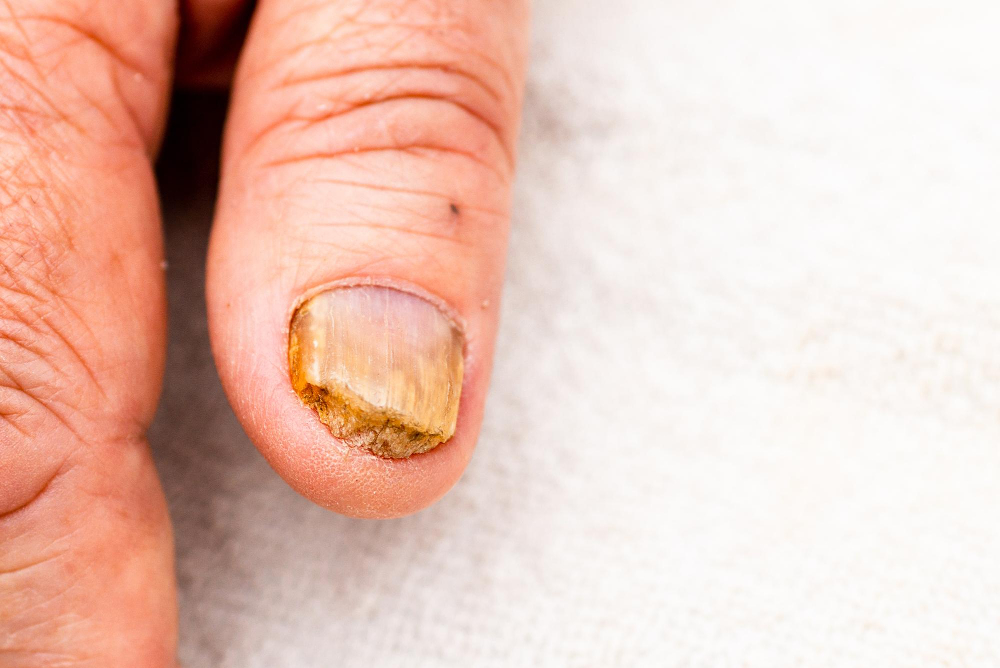
Nail infections are common and can affect anyone. Often, people notice thick toenails or discoloured nails and try home remedies first. However, these changes may signal a deeper problem. In many cases, discoloured nails causes include fungus, bacteria, or injury. Because of this, treatment for nail fungus is not always simple. Sometimes, you may need to see a dermatologist, especially if you live in busy areas where nail infection treatment in your city is available.
What Are Nail Infections?
First, nail infections happen when germs enter the nail or skin around it. These germs can be fungi, bacteria, or even viruses. While anyone can get a nail infection, it is more common in adults and older people. For example, walking barefoot in public showers can increase your risk. Nail infections can affect both fingernails and toenails. However, toenails are more often involved.
Common Symptoms of Nail Infections
Next, it helps to know the signs of nail infections. Early treatment can prevent problems. Watch for these symptoms:
Sometimes, only one or two symptoms appear. Still, it is important to pay attention and act early.
Causes of Thick and Discoloured Nails
Many things can cause thick toenails or discoloured nails. For instance, the most common cause is a fungal infection. Yet, other causes include:
Because there are many possible causes, a proper diagnosis is important. Sometimes, more than one factor is involved.
Risks of Ignoring Nail Infections
Ignoring nail infections can lead to bigger problems. For example, the infection can spread to other nails or even the skin. In some cases, untreated nail fungus can cause pain and trouble walking. People with diabetes or weak immune systems face higher risks. For them, a simple nail infection can become serious. Therefore, it is wise to seek help if symptoms do not improve.
Why Home Remedies Often Fail
Many people try home remedies first. However, most home treatments do not work well for nail infections. Nails are thick, so creams and oils may not reach the infection. Also, some home remedies can irritate the skin or make things worse. Even though some people see small changes, the infection often returns. Because of this, medical treatment is usually needed for lasting results.
Medical Diagnosis: What to Expect
When you visit a dermatologist, they will check your nails closely. Sometimes, they may take a small sample of the nail for testing. This helps find out if the cause is fungus, bacteria, or something else. With the right diagnosis, you can get the best treatment. In many cities, nail infection treatment is available at clinics or hospitals. Early diagnosis can prevent long-term damage to your nails.
Effective Treatments for Nail Infections
Doctors use several treatments for nail infections. The best choice depends on the cause and how severe the infection is. Common options include:
Because nail infections can be stubborn, treatment may take several months. Still, following your doctor’s advice helps prevent the infection from coming back.
Prevention Tips for Healthy Nails
Keeping your nails healthy can help prevent infections. Try these tips:
By following these steps, you can lower your risk of nail infections. If you live in a city with easy access to nail infection treatment, do not wait to get help when needed.
Conclusion
If you notice thick or discoloured nails that do not improve, Rajesh Kumar is here to help. Book a consultation today for expert care and the right treatment for your nail health.