Laser treatment for skin conditions is a modern way to help improve many skin problems. Many people choose this method because it is quick and often less painful than other options. In this blog, you will learn how laser treatment for skin conditions works, what to expect, and how to stay safe. If you are thinking about this treatment, keep reading to find out more.
What Is Laser Treatment for Skin Conditions?
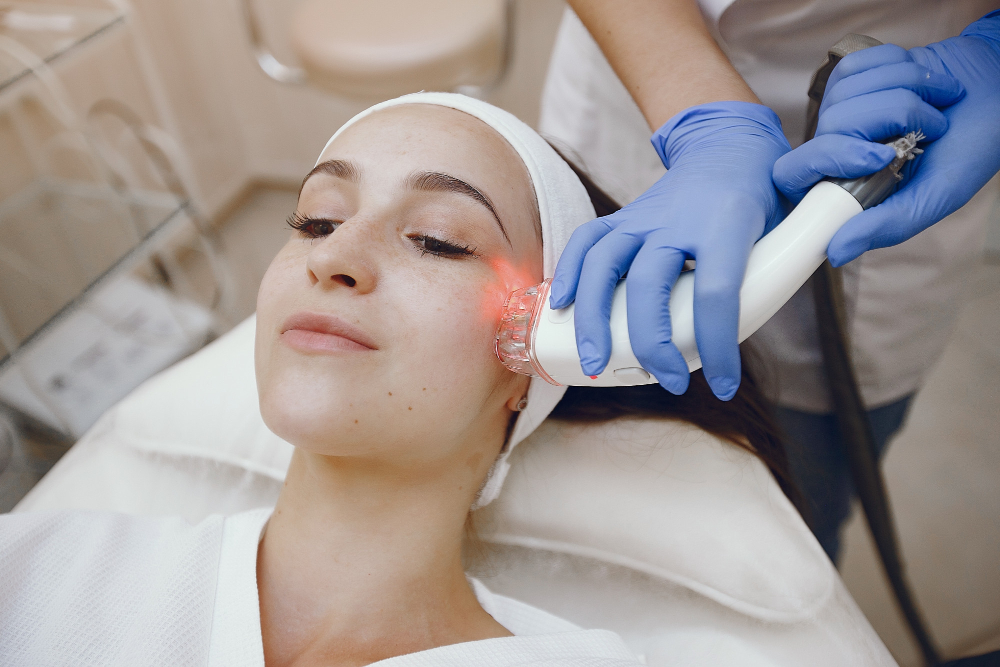
Laser treatment uses focused light to target and treat skin issues. Doctors use special machines that send strong beams of light to the skin. These beams can remove or repair damaged skin cells. As a result, your skin may look smoother and healthier. Laser therapy is popular for both medical and cosmetic reasons. For example, it can help with scars, wrinkles, and even some types of birthmarks.
How Does Laser Treatment Work?
Laser treatment works by sending a strong light to a specific area of your skin. This light heats up and destroys unwanted cells without harming the nearby skin. Sometimes, the laser removes the top layer of skin. Other times, it goes deeper to treat problems under the surface. Because the laser is very precise, it can target only the area that needs help. After the treatment, your body starts to heal and make new, healthy skin.
Common Skin Conditions Treated with Lasers
Many skin problems can be treated with laser therapy. Some of the most common include:
In addition, lasers can help with redness from rosacea and some types of skin growths. However, not every skin condition is right for laser treatment. Always talk to a dermatologist first.
Benefits and Risks of Laser Treatment
Laser treatment offers many benefits. For example, it can be quick, and you may see results after just one session. Also, there is often less pain and a shorter recovery time compared to surgery. Some people like that it can improve their skin’s look and feel.
However, there are risks to consider. Some people may have redness, swelling, or mild pain after the procedure. Rarely, there can be burns, scars, or changes in skin color. Because of these risks, it is important to choose a trained doctor. According to the American Academy of Dermatology, most side effects are mild and go away in a few days.
What to Expect During and After the Procedure
Before the treatment, your doctor will clean your skin. Sometimes, they may use a numbing cream to help you feel comfortable. During the procedure, you might feel a slight sting or warmth. Most sessions last between 15 and 60 minutes, depending on the area treated.
After the treatment, your skin may look red or feel sore, like a mild sunburn. Usually, these effects go away within a few days. Your doctor will give you instructions on how to care for your skin. For best results, follow these steps closely.
Safety Tips and Aftercare
To help your skin heal and avoid problems, follow these safety tips:
Because everyone’s skin is different, your doctor may give you special advice. If you notice any unusual pain, swelling, or signs of infection, contact your doctor right away.
Frequently Asked Questions
Conclusion
Laser treatment can help improve a variety of skin conditions and cosmetic concerns. However, it is important to undergo a proper evaluation to determine whether this treatment is suitable for your skin type and condition. Consult Rajesh Kumar at Healtham Clinic for personalized guidance and expert advice on the most appropriate laser treatment options for your skin.