
Many people want smoother, brighter skin. However, choosing between microdermabrasion vs chemical peel can be confusing. Both are popular non-surgical skin treatments. They help with facial rejuvenation and safe exfoliation methods. But which is the best skin care option for you? This guide explains each treatment, their benefits, and how to pick the right one for your skin type.
What is Microdermabrasion?
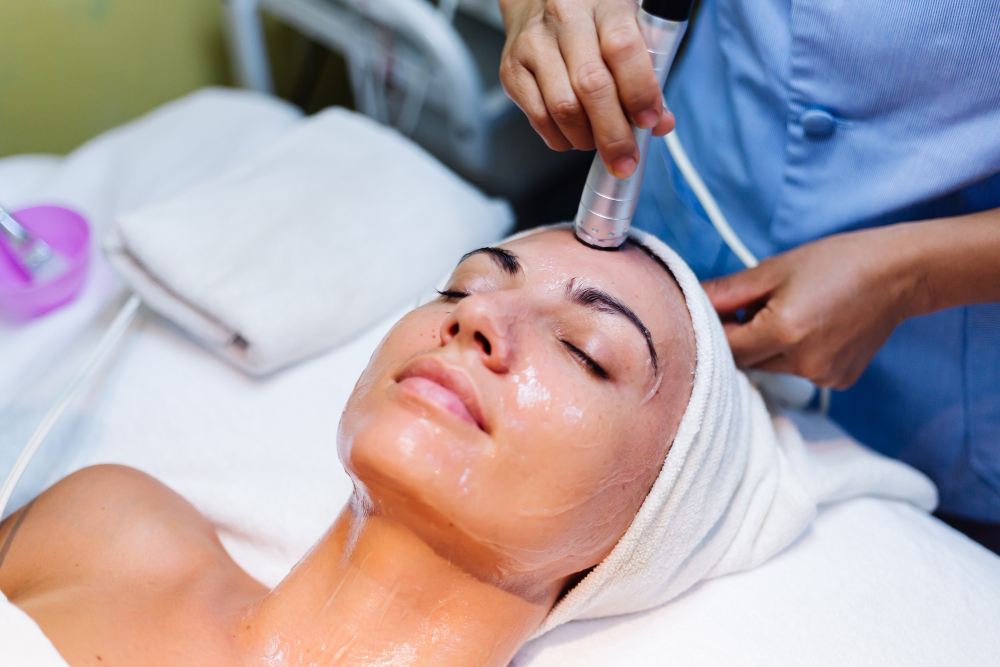
Microdermabrasion is a gentle, non-invasive skin treatment. It uses a special device to remove the top layer of dead skin cells. As a result, your skin looks fresher and feels smoother. Many dermatology clinics in cities like New York and Los Angeles offer this service.
According to the American Academy of Dermatology, microdermabrasion is safe for most skin types.
What is a Chemical Peel?
A chemical peel uses a special solution to remove damaged outer skin layers. This process helps new, healthy skin grow. Chemical peels come in different strengths, from light to deep. For example, light peels use mild acids, while deep peels use stronger chemicals.
Dermatology clinics in many cities offer chemical peels as a facial rejuvenation option.
Key Differences Between Microdermabrasion and Chemical Peels
Although both treatments improve skin texture, they work in different ways. For instance, microdermabrasion uses a device to exfoliate, while chemical peels use a solution.
Both are safe exfoliation methods when done by trained professionals.
Benefits and Risks of Microdermabrasion
Microdermabrasion is a popular choice for many seeking non-surgical skin treatments. It offers several benefits, but there are also some risks to consider.
According to the CDC, following aftercare instructions lowers the risk of side effects.
Benefits and Risks of Chemical Peels
Chemical peels are another effective facial rejuvenation method. They offer unique benefits, but some risks are possible, especially with deeper peels.
According to dermatology journals, choosing the right peel strength is key for safety.
How to Choose the Right Treatment for Your Skin Type
Choosing between microdermabrasion and chemical peels depends on your skin type and goals. For example, those with sensitive skin may do better with microdermabrasion. On the other hand, people wanting to treat deep wrinkles or scars might prefer a chemical peel.
Dermatology clinics in your area can help you decide which is the best skin care option for you.
What to Expect During and After Each Procedure
Knowing what happens during and after these treatments helps you prepare. For microdermabrasion, the provider uses a handheld device to gently exfoliate your skin. The process takes about 30 to 60 minutes. Afterward, your skin may look pink but usually feels fine within a day.
During a chemical peel, the provider applies a chemical solution to your face. You might feel tingling or mild stinging. Light peels heal in a few days, while deeper peels may take weeks. After a peel, your skin may peel or flake as it heals.
Safety Tips and Aftercare Guidance
Proper care before and after your treatment keeps your skin healthy. Before your appointment, avoid sun exposure and harsh skin products. Afterward, use gentle cleansers and moisturizers.
According to the WHO, following safety tips helps lower the chance of side effects. For best results, choose Dr. Rajesh Kumar, at Healtham Clinic – a trusted dermatology clinics in your city.